The Evolution of Cricket Equipment Through the Years
Cricket has transformed dramatically since its early days in the 16th century, and so has the equipment used to play it. From handcrafted bats to high-tech gear designed for precision, safety, and performance, the evolution of cricket equipment mirrors the game’s journey from a leisurely pastime to a global sport. This transformation has not only improved the quality of play but also redefined how the sport is Jeetbuzz experienced by both players and fans.
Early Days: Simplicity and Craftsmanship
In cricket’s earliest forms, equipment was rudimentary and handmade. The first cricket bats in the 1700s resembled hockey sticks, curved to meet underarm bowling. Balls were handmade with cork centers and leather coverings, often inconsistent in shape and bounce.
Protective gear was almost non-existent. Players wore everyday clothing and relied on skill and courage to face the unpredictable deliveries of early bowlers. Gloves and pads were introduced only after overarm bowling became popular in the 19th century, increasing the ball’s speed and bounce.
The Transformation of the Cricket Bat
The cricket bat has seen the most significant evolution. Originally curved, it evolved into the straight-bladed bat we know today after bowlers began pitching the ball instead of rolling it along the ground.
In the 1800s, bats were made entirely from English willow, prized for its balance of strength and flexibility. Modern bats still use this material but feature advanced pressing, shaping, and weight distribution for maximum power.
The introduction of thicker edges, larger sweet spots, and lighter pickup designs revolutionized batting styles. Today, brands like Gray-Nicolls, Gunn & Moore, and Kookaburra use computer-assisted design (CAD) to create bats that enhance both performance and comfort.
The Evolution of the Cricket Ball
The cricket ball’s basic structure — a cork core wound with string and covered with leather — has remained largely the same, but Jeetwin manufacturing precision has improved.
The Duke, Kookaburra, and SG balls each have unique seam and swing characteristics, influencing how the game is played across countries. The use of pink balls for day-night Tests and white balls for limited-overs formats shows how equipment has adapted to modern broadcasting and match conditions.
Ball maintenance — shining, roughing, and reversing — remains a crucial part of strategy, but regulations and technology have made the process more controlled and transparent.
Protective Gear: From Vulnerability to Safety
The introduction of fast bowling brought a wave of new safety innovations. Early cricketers faced express pace without helmets or proper padding. By the mid-20th century, equipment manufacturers began prioritizing player protection.
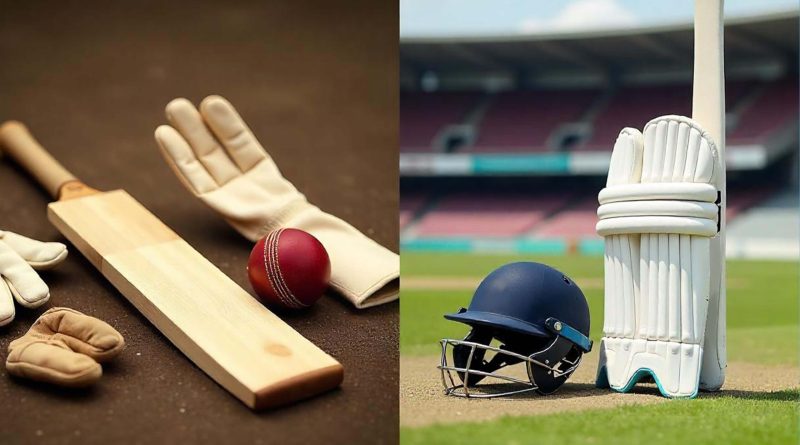
- Pads and Gloves: Evolved from thin leather layers to multi-layered foam and high-impact protection materials. Modern gloves use lightweight carbon fiber inserts and mesh ventilation for comfort.
- Helmets: Introduced in the 1970s, helmets revolutionized player safety. Early designs were heavy and bulky, but modern helmets use fiberglass, titanium grills, and shock-absorbing foam for superior protection and visibility.
- Body Guards: Chest guards, arm guards, and thigh pads are now standard, allowing players to face speeds of over 150 km/h with confidence.
These developments have made batting safer and encouraged more aggressive, fearless play.
Footwear and Clothing Innovations
Cricket footwear has evolved from simple leather shoes to high-performance sportswear. Modern cricket shoes feature spikes for traction, air-cushioned soles, and ankle support for agility and balance.
Clothing has also adapted. Early cricketers wore heavy wool uniforms, but today’s kits use lightweight, sweat-wicking materials for comfort during long matches. The introduction of colored jerseys in one-day cricket during the 1980s added visual flair, while sponsor logos reflected the game’s commercial growth.
Wicketkeeping Equipment: Precision and Comfort
Wicketkeepers once relied on minimal padding and raw courage. Modern gloves are ergonomically designed with webbing between fingers, impact foam, and reinforced palm grips for superior performance.
Pads have become lighter and more flexible, enabling quicker movement behind the stumps. The combination of design innovation and athletic training has made wicketkeeping one of the most specialized and demanding roles in cricket.
The Role of Technology in Modern Equipment
Technology has redefined cricket gear in the 21st century. Companies now use 3D modeling, biomechanical testing, and AI-driven analytics to optimize performance.
- Smart Bats: Some bats are embedded with sensors that measure bat speed, impact location, and backlift angle — data used by players and coaches for performance improvement.
- High-Tech Helmets: Helmets now come with built-in communication systems and enhanced ventilation to meet safety standards.
- Player Wearables: GPS trackers and heart rate monitors help teams manage workload and prevent injuries.
Technology ensures equipment not only enhances performance but also aligns with the physical and mental demands of elite cricket.
The Influence of T20 Cricket on Equipment Design
The rise of T20 cricket has accelerated innovation. Bats are now designed for explosive hitting, with thicker profiles and lighter weights. Gloves and pads prioritize mobility and flexibility for quick singles and powerful strokes.
Fielding gear, including lightweight shoes and flexible trousers, caters to the athleticism required in shorter formats. Equipment design now balances safety with speed — reflecting the fast-paced evolution of modern cricket itself.
Sustainability and the Future of Cricket Gear
As environmental awareness grows, cricket manufacturers are exploring eco-friendly materials and sustainable production methods. Some brands now produce bats from renewable willow sources and use biodegradable packaging.
Future innovations may include smart fabrics that regulate temperature, carbon-neutral bat production, and AI-assisted customization for every player. The evolution of cricket equipment is far from over — it’s entering a new era of intelligence, safety, and sustainability.
FAQ
- Why are cricket bats made from willow?
Willow is ideal for cricket bats because it combines lightness, strength, and the ability to rebound the ball effectively without breaking. - When were helmets first introduced in cricket?
Helmets were introduced in the 1970s after the rise of fast bowling, becoming standard protective gear by the 1980s for player safety. - How has technology changed cricket equipment?
Technology has introduced smart sensors, lightweight materials, and precision design — improving player safety, performance analysis, and overall comfort on the field.