Home Care Strategies During Hernia Treatment
Hernia treatment, whether surgical or non-surgical, requires careful attention and proper care to ensure faster recovery and prevent complications. Alongside medical treatment, adopting effective home care strategies during hernia treatment can significantly improve healing outcomes and comfort.
Understanding Hernia Treatment
A hernia occurs when an internal organ or tissue pushes through a weak spot in the surrounding muscle or connective tissue. Treatment can vary depending on the type and severity of the hernia. Some hernias may require surgery, while others can be managed with lifestyle adjustments and supportive care. Regardless of the treatment type, home care plays a crucial role in recovery.
Key Home Care Strategies During Hernia Treatment
1. Rest and Activity Management
Rest is essential after hernia surgery or when managing a hernia non-surgically. Avoid heavy lifting, straining, or sudden movements that can put pressure on the weakened area. Gradually increase activity levels as advised by your healthcare provider. This approach prevents complications and supports tissue healing.
2. Pain Management and Medication
Follow your doctor’s prescription for pain relief and other medications. Over-the-counter painkillers may also help manage discomfort, but always consult your healthcare provider before taking any medication. Proper pain management allows you to move comfortably, aiding in recovery.
3. Diet and Digestive Care
Eating a balanced diet rich in fiber can prevent constipation, a common cause of increased abdominal pressure that may worsen a hernia. Hydration is equally important. Avoid foods that can lead to bloating or gas, as they can increase discomfort during recovery.
4. Supportive Garments
Using hernia belts or supportive garments, if recommended by your doctor, can help reduce discomfort and support the affected area during daily activities. These tools are part of home care strategies during hernia treatment that aid in reducing strain on the hernia site.
5. Monitoring for Complications
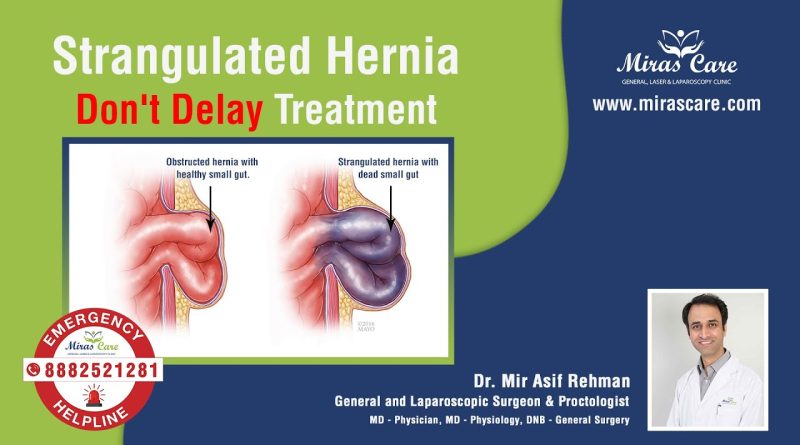
Keep a close eye on any changes such as increased swelling, redness, severe pain, or digestive issues. Early detection of complications allows for prompt medical attention, preventing serious outcomes.
Conclusion
Incorporating proper home care strategies during hernia treatment can significantly enhance recovery and reduce discomfort. By focusing on rest, diet, medication management, and monitoring for complications, patients can support their healing process effectively. Always follow your healthcare provider’s advice to ensure a safe and smooth recovery.