Off-Grid Living: Building a Reliable Solar Power System
Off-grid living has become increasingly popular among individuals seeking independence, sustainability, and a closer connection with nature. One of the most crucial components of a successful off-grid lifestyle is a reliable solar power system. By harnessing the sun’s energy, you can power your home efficiently while minimizing your reliance on traditional utility grids. This article will guide you through the key steps and considerations in building a solar power system that supports off-grid living.
Understanding the Basics of Off-Grid Solar Power
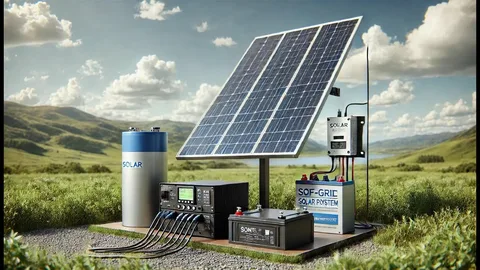
Before diving into installation, it’s important to understand what an off-grid solar power system entails. Unlike grid-tied systems, off-grid systems operate independently, meaning they store energy for use when the sun isn’t shining. This requires a combination of solar panels, batteries, inverters, and charge controllers to ensure a steady and reliable energy supply.
Key Components:
- Solar Panels: Convert sunlight into electricity.
- Batteries: Store energy for use at night or during cloudy days.
- Inverters: Convert stored DC power into usable AC power for your home.
- Charge Controllers: Prevent battery overcharging and regulate power flow.
Planning Your Solar Power System
A reliable solar power system starts with careful planning. The first step is assessing your energy needs. Calculate the total wattage of all devices and appliances you intend to power. Next, consider the average sun hours in your location, as this determines the number of solar panels required.
Steps to Plan:
- Energy Audit: List all appliances and their energy consumption.
- Panel Sizing: Match panel output to your energy needs.
- Battery Capacity: Ensure sufficient storage for nighttime and cloudy days.
- System Expansion: Plan for potential future energy requirements.
Installation and Maintenance Tips
Proper installation is key to the longevity and efficiency of your off-grid solar power system. Panels should be mounted at an angle that maximizes sunlight exposure. Wiring must meet safety standards to prevent energy loss or hazards. Regular maintenance, such as cleaning panels and checking battery health, ensures consistent performance.
Maintenance Checklist:
- Clean panels regularly.
- Monitor battery charge cycles.
- Inspect wiring for wear or corrosion.
- Test inverters and controllers periodically.
Benefits of a Reliable Solar Power System for Off-Grid Living
A well-designed solar system allows you to live comfortably without depending on the electrical grid. You gain energy independence, reduce electricity costs, and contribute to environmental sustainability. Off-grid living with solar power also offers resilience during power outages, making it a practical choice for remote areas.
Final Thoughts
Embracing off-grid living is an exciting journey, and building a reliable solar power system is essential for success. By carefully planning, installing, and maintaining your system, you can enjoy energy independence while minimizing your environmental footprint. Whether you’re living in a remote cabin or simply exploring sustainable alternatives, a dependable solar system is the cornerstone of a self-sufficient lifestyle.