
How to Maximize Productivity with Compact Machinery
Whether you’re managing a job site, maintaining a property, or running a small operation, compact machinery has quietly become one of the most practical investments a working professional can make. The days of needing large, cumbersome equipment to get serious work done are fading. Today, smart operators are discovering that smaller, more agile machines often outperform their larger counterparts — especially when paired with the right strategy.
But owning compact machinery is only half the equation. Getting the most out of it requires intentional planning, proper maintenance, and an understanding of how to deploy these tools effectively. Here’s how to do exactly that.
Match the Machine to the Task
One of the biggest productivity killers is using the wrong tool for the job. Compact machinery comes in a wide variety of configurations — each designed with specific applications in mind. Before starting any project, take time to assess the terrain, the scope of work, and any space constraints you’re working within.
Smaller machines shine in tight spaces, on delicate surfaces, or in scenarios where maneuverability is essential. Using a compact machine in the right environment doesn’t just save time — it reduces wear on equipment and lowers the risk of costly mistakes.
Invest Time in Operator Training
Even the most capable compact machine is limited by the person operating it. Investing in proper training — whether through a manufacturer program, a certified instructor, or structured self-study — pays dividends quickly. Trained operators work faster, make fewer errors, and cause less wear on equipment.
Don’t overlook the value of learning advanced features and attachments. Many compact machines come with capabilities that go largely unused simply because operators aren’t aware of them. Spending a few hours exploring your equipment’s full functionality can uncover efficiencies you didn’t know were available.
Choosing Compact Construction Equipment
The construction industry has seen a significant shift toward compact equipment in recent years — and for good reason. Mini excavators, track loaders, small utility tractors, and compact track machines allow crews to work in environments that were once considered inaccessible to heavy machinery.
Urban job sites, residential landscaping, utility work, and agricultural projects all benefit from this category of equipment. The reduced footprint means less site disruption, lower transportation costs, and easier storage — all of which translate directly into savings and faster project turnaround.
Dealers specializing in this space — such as those carrying brands like Lilly Kubota — often provide invaluable support in helping operators select the right equipment and keep it running at peak performance. Working with knowledgeable local dealers means access to parts, service expertise, and guidance tailored to your specific work environment.
When evaluating compact construction equipment, prioritize versatility. Machines that accept a wide range of attachments offer exponentially more value over time than single-purpose tools. The ability to adapt to different tasks without switching machines is a core advantage of modern compact equipment.
Prioritize Preventive Maintenance
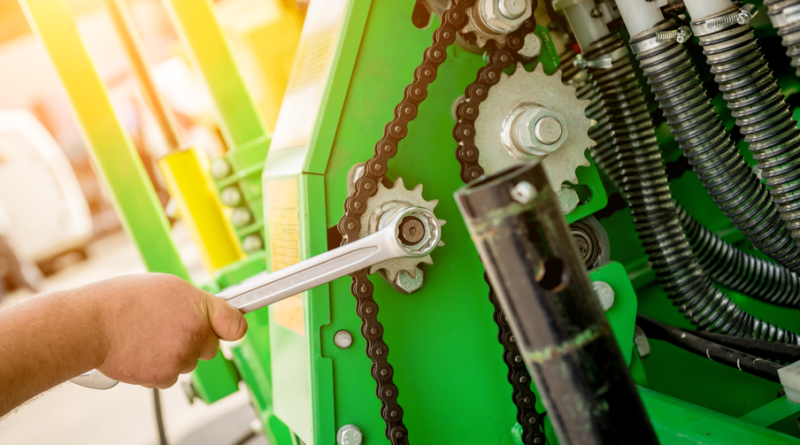
Downtime is the enemy of productivity, and the most common cause of unplanned downtime is deferred maintenance. Compact machinery, while generally durable, operates under demanding conditions and requires consistent care to deliver reliable performance.
Build a maintenance schedule based on operating hours rather than calendar dates. Regularly check fluid levels, inspect filters, grease pivot points, and monitor tire or track condition. Catching small issues early almost always costs far less than addressing a major failure mid-project.
Plan Your Workflow Before You Start
Productivity is rarely about working harder — it’s about working smarter. Before firing up any machine, walk the job site, identify potential obstacles, and map out a logical work sequence. Knowing where you’ll stage materials, how you’ll manage traffic flow, and in what order you’ll complete tasks can shave significant time off any project.
Compact machinery excels when paired with thoughtful planning. Its maneuverability allows you to adapt on the fly, but having a clear starting plan minimizes wasted motion and helps you maintain momentum throughout the day.
The Bottom Line
Compact machinery represents one of the most accessible paths to improved productivity across industries. By matching equipment to task, training operators thoroughly, and maintaining machines diligently, businesses and individuals alike can extract tremendous value from their investments.
The rise of compact construction equipment has opened doors for smaller operations to compete with larger ones — not through brute force, but through agility, efficiency, and smarter resource management. In today’s fast-moving work environment, that’s an advantage worth having.